
Vakilpedia Blog
Digital Fraud in India: OTP Scam, Digital Arrest & Legal Action (Step-by-Step Guide)
Digital fraud is rising fast—OTP scams, “digital arrest” threats, and UPI fraud are now common. This guide focuses on immediate action, the key BNS provisions (2023), and a practical complaint walkthrough.
What is digital fraud?
Digital fraud involves cheating using phones, internet, or digital platforms—most commonly through OTP scams, fake police calls (“digital arrest”), and UPI/payment fraud.
Common types of digital fraud
- OTP fraud: scammers impersonate bank/wallet officials and push you to share OTPs or “verify” transactions.
- Digital arrest scam: scammers pose as police/CBI and threaten arrest in fake cases to force immediate payment.
- UPI/payment fraud: fake links, QR codes, and screen-sharing apps are used to extract money.
Legal provisions (BNS focus)
Bharatiya Nyaya Sanhita (BNS), 2023 commonly applies in digital fraud matters:
- Section 316 BNS – Cheating (earlier IPC 420)
- Section 318 BNS – Cheating by personation (earlier IPC 419)
- Section 319 BNS – Dishonest misappropriation of property (earlier IPC 403)
IT Act provisions (commonly used)
Information Technology Act, 2000 provisions often added depending on facts:
- Section 66C – Identity theft
- Section 66D – Cheating by personation using computer resources
- Section 66 – Computer-related offences
What to do immediately (critical)
- Call 1930 (Cyber Fraud Helpline) to attempt quick freezing of transactions.
- Preserve evidence: screenshots, call logs, chat history, bank SMS/alerts, UTR/transaction IDs.
- File a complaint online as early as possible—speed materially improves recovery chances.
File complaint online (official portal)
Use the official cybercrime portal:
https://cybercrime.gov.in/Webform/Accept.aspxWalkthrough screenshots (what you will see)
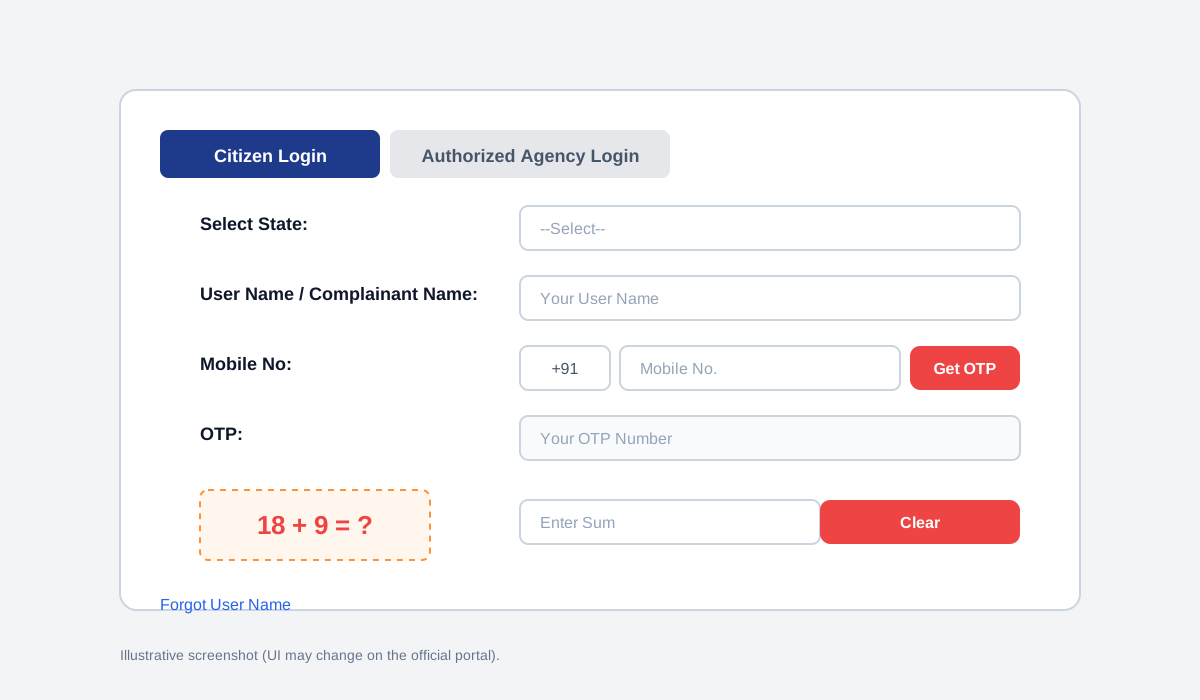
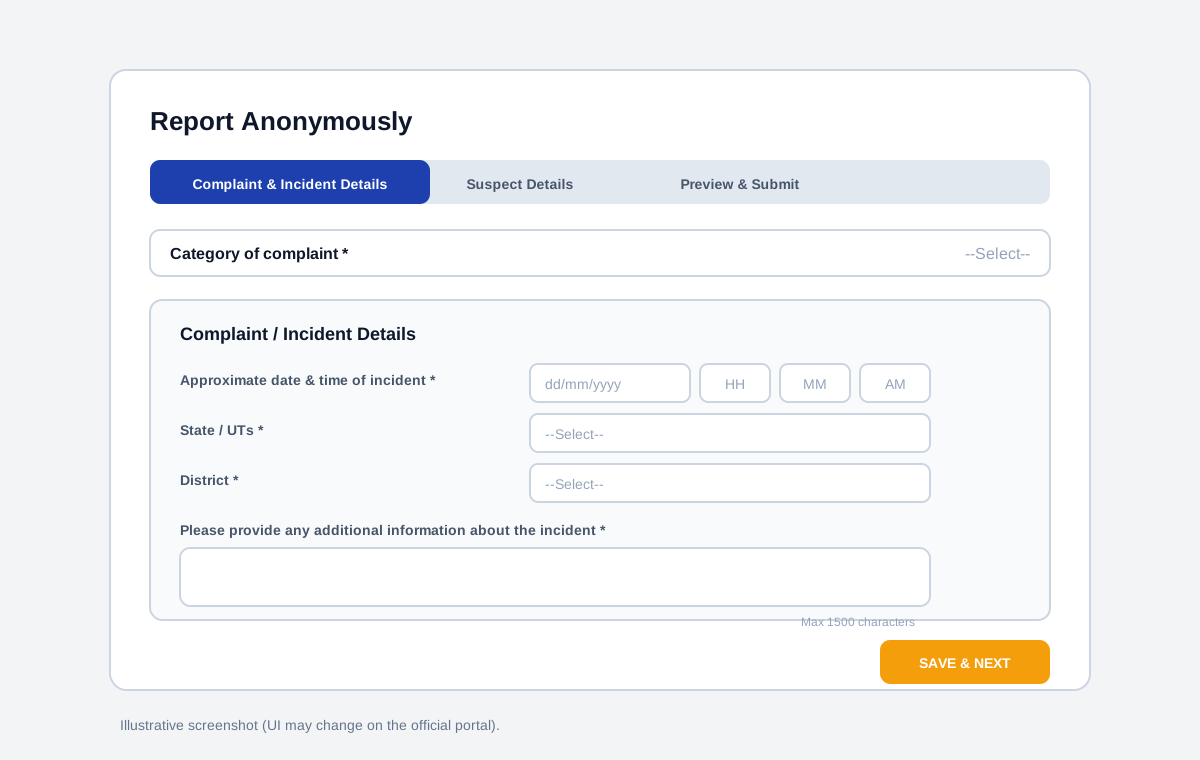
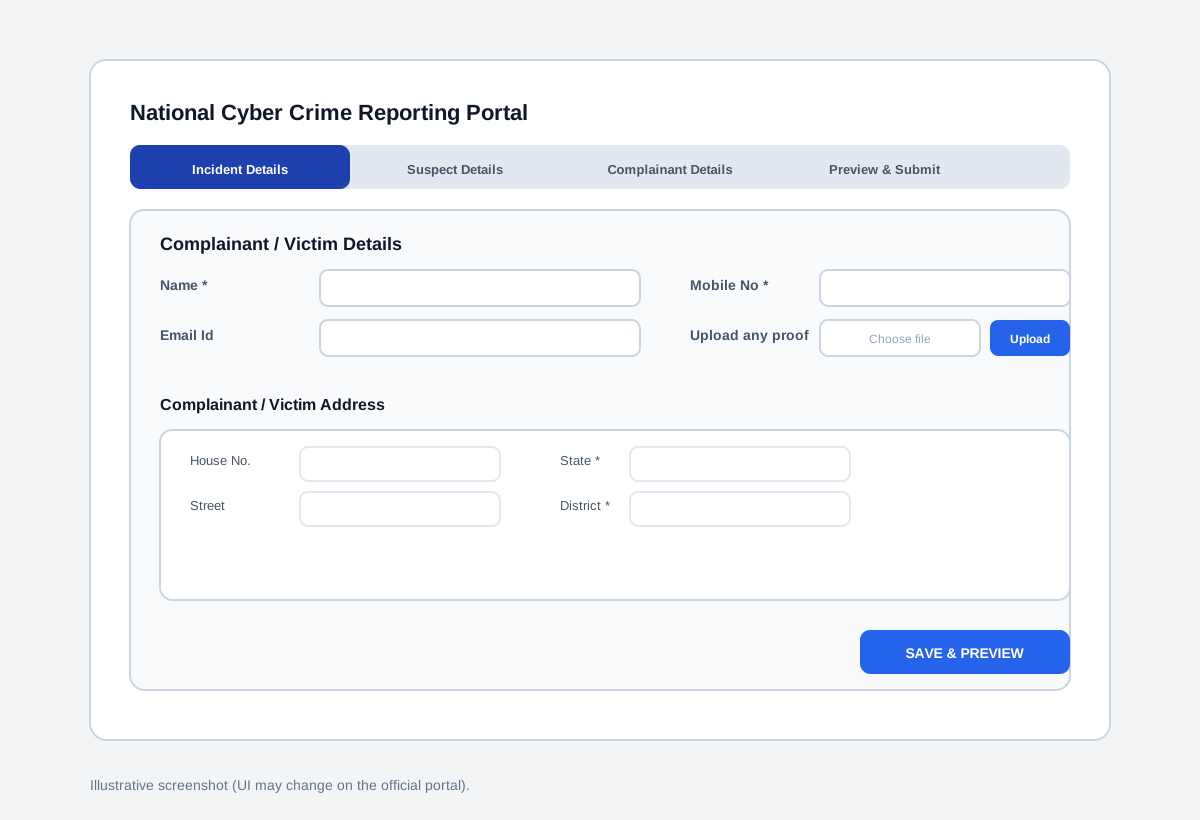
These screenshots are for orientation. The portal UI may change, but the flow remains similar.
Step-by-step complaint filing walkthrough
Typical flow on the portal includes OTP-based login and a complaint checklist on the left. Keep transaction details ready.
- Click “File a Complaint” / Login.
- Enter mobile number → verify with OTP.
- Fill incident details (keep it clear and specific; portal may require a minimum character length).
- Enter transaction details: UTR/transaction ID, amount, bank details.
- Upload supporting files: screenshots, call logs, and other proof.
- Submit and save the acknowledgement/complaint number.
How a lawyer can help
A lawyer typically improves outcomes by ensuring:
- FIR/complaint reflects the correct BNS offences (and IT Act sections where applicable).
- Evidence is preserved and presented in a way police can act on quickly.
- Follow-ups are structured, and escalation/court remedies are used if authorities delay.
- Recovery steps are coordinated with the bank and investigation timeline.
Legal remedies available
- Criminal prosecution under BNS
- Action under the IT Act
- Recovery through banking/legal channels
- Court intervention if authorities delay or fail to act
Pro tips (prevention)
- Never share OTPs—no genuine bank official asks for OTP.
- Do not click unknown links or install screen-sharing apps on instruction.
- Verify identity independently before sending money.
- Treat urgency + threats + payment demand as a red flag.
Useful tools
Use IPC ↔ BNS Converter (Vakilpedia):
https://www.vakilpedia.com/ipc-to-bns-converterUse EvidenceHash to preserve digital proof:
https://www.vakilpedia.com/evidence-hash-sha256Need legal help?
If you or your client has been a victim of digital fraud, time is critical.
You can consult Gujral Law Chambers for FIR drafting under BNS, cyber fraud litigation, and recovery proceedings:
https://www.gujrallawchambers.comConclusion
Digital fraud is rising—but law + speed = protection.
The faster you act, the stronger your legal position.
Useful Tools
Use these tools for faster drafting and better evidence hygiene: